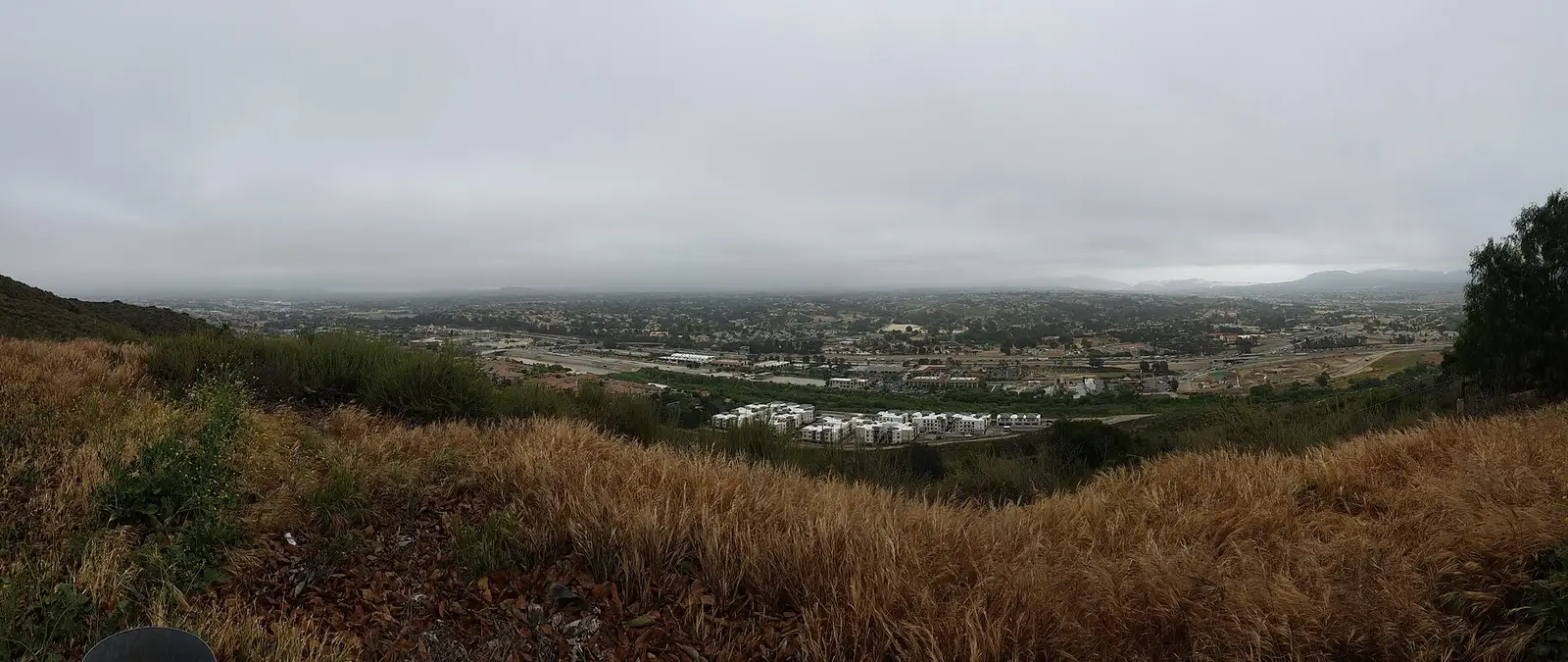
Almost nothing in Temecula predates its homeowners associations. The city incorporated on December 1, 1989, and the master plans arrived in waves over the next two decades: Paloma del Sol built out between 1990 and 1998 with five association pools, the Temeku Hills golf community grew around a Ted Robinson course that opened in 1995 and now plays as The Legends Golf Club, Crowne Hill phased in from the mid-1990s through the mid-2000s, Harveston opened in 2003 around a 17-acre lake and park on the city's northern edge, Wolf Creek began building its 557 acres in south Temecula in 2004, and Redhawk — a golf community wrapped around Redhawk Golf Club — was annexed into the city in 2005. Add Paseo del Sol, Chardonnay Hills, and Vail Ranch, and you have a city where the typical association is a large, amenity-rich planned development now roughly 20 to 35 years old.
That age band is the story. Communities that once ran on developer-era budgets are entering their first full replacement cycle — roofing, pool replastering and equipment, clubhouse interiors and HVAC, gates, monumentation, and private streets — all inside a compressed window, and under an inland climate that shortens component lives through hot, dry summers, intense UV, and daily thermal cycling. A reserve study assembled from national averages will miss both the pace of that wear and the sheer scale of Temecula's amenity packages. Apex Reserve Group, an Irvine-based reserve study firm, prepares studies for Temecula associations that inventory what your community actually owns — down to the clubhouse, the recreation campus, or the splash park — and fund it on a schedule the local climate will actually follow.
Why Temecula Associations Need Current Reserve Studies
Because Temecula's association stock went up almost entirely between 1990 and the late 2000s, the city is now living through something unusual: an entire housing market reaching its first major replacement cycle at roughly the same time. Roofs installed in the 1990s, pool plaster and heaters that have run through three decades of long swim seasons, playground equipment, gate operators, clubhouse mechanical systems, and miles of perimeter fencing and slope irrigation are all coming due — frequently within the same five-to-ten-year stretch of an association's timeline. The climate compresses that schedule further. Temecula's hot, semi-arid summers drive strong UV exposure and daily swings between hot afternoons and cooler nights; asphalt oxidizes and cracks earlier, paint and stucco coatings chalk and fade, wood fencing and shade structures dry out and split, and pool and irrigation equipment logs far more running hours than the same equipment would in a milder region. Boards still budgeting from the developer's original projections, or from a study that is several years stale, tend to be wrong in the same direction on both timing and cost. An updated study with a physical inspection replaces those inherited assumptions with the condition of your components as they exist today.
From Harveston's Lake to Redhawk's Fairways: A Tour of Temecula's Associations
Harveston, on the city's northern edge, may be the most distinctive: a master plan begun in 2003 and arranged around a 17-acre lake and park, with roughly 1,600 single-family homes and condominiums. The lake park itself and the adjacent sports park are City of Temecula facilities, maintained by the city's community services district rather than the association — but the HOA still carries a substantial inventory of its own, anchored by the Lake House clubhouse with its junior-Olympic-size pool, spa, and splash park, and drawing that line between city-maintained and association-owned components is precisely what a careful reserve study does. In the central city, Temeku Hills surrounds a golf course that opened in 1995 and now operates as The Legends Golf Club, with a clubhouse and recreation campus of its own. East along the route to Wine Country sits Chardonnay Hills, a community of roughly 580 homes. The city's south side belongs to the del Sol master plans — Paloma del Sol, completed between 1990 and 1998 with five association pools plus parks and trails, and the adjacent Paseo del Sol, spread over about 820 acres with its own recreation facilities. Farther south are Redhawk, the golf community around Redhawk Golf Club that joined the city by annexation in 2005, the neighboring Vail Ranch subdivisions, and Wolf Creek, whose 557 acres began construction in 2004. Crowne Hill, built in phases by several national homebuilders from the mid-1990s through the mid-2000s, occupies the rolling terrain on the east side. Around Old Town Temecula, the city's historic district, the stock shifts toward smaller condominium and townhome projects. And east of the city limits, in unincorporated Riverside County, estate associations sit among the vineyards of the Temecula Valley Wine Country, where private roads and rural infrastructure raise reserve questions suburban templates never ask.
What California Law Requires
California's Davis-Stirling Act sets the baseline. Civil Code Section 5550 obligates most common interest developments to commission a reserve study — including a physical, on-site inspection of the major components — at least once every three years, and to review and update that study annually in between. Civil Code Section 5300 then requires the resulting reserve figures and funding disclosures to appear in the annual budget report distributed to every owner. For condominium projects, SB 326 added a structural layer: elevated wood-framed balconies, decks, stairways, and walkways must be inspected by a licensed structural or civil engineer, or architect, and the first inspection was due by January 1, 2025 — a deadline that has already passed. In Temecula that obligation lands narrowly but meaningfully. Most of the city's associations are planned developments of detached homes, which SB 326 generally does not reach, but condominium and attached projects — including the condominium neighborhoods within Harveston and smaller attached stock around the city — needed that inspection completed, and its findings belong in the reserve study, where they routinely reshape the schedules for decks, stairs, and railings.
Our Reserve Study Services in Temecula
Full Reserve Study — A ground-up component inventory, on-site inspection, and 30-year funding plan scaled to your community's actual amenity load — pools, clubhouses, lakes, gates, parks, and private streets — with useful lives calibrated to inland heat rather than national averages. Typical delivery: 3 to 4 weeks. Reserve Study Update With Site Visit — A re-inspection and refreshed funding plan for associations with an existing study, satisfying the three-year on-site requirement of Civil Code Section 5550 and catching heat-driven wear before it turns into an emergency project. Typical delivery: 2 to 3 weeks. Off-Site Annual Update — A remote revision in the interim years that brings costs, interest assumptions, and funding progress current so the disclosures in your annual budget report stay accurate. Typical delivery: 1 to 2 weeks.
Temecula Communities We Serve
We prepare reserve studies throughout the city, including Harveston, Temeku Hills, Chardonnay Hills, Paloma del Sol, Paseo del Sol, Crowne Hill, Redhawk, Vail Ranch, Wolf Creek, and the neighborhoods surrounding Old Town Temecula, as well as estate associations in the Temecula Valley Wine Country east of the city limits and communities across the greater Temecula Valley.