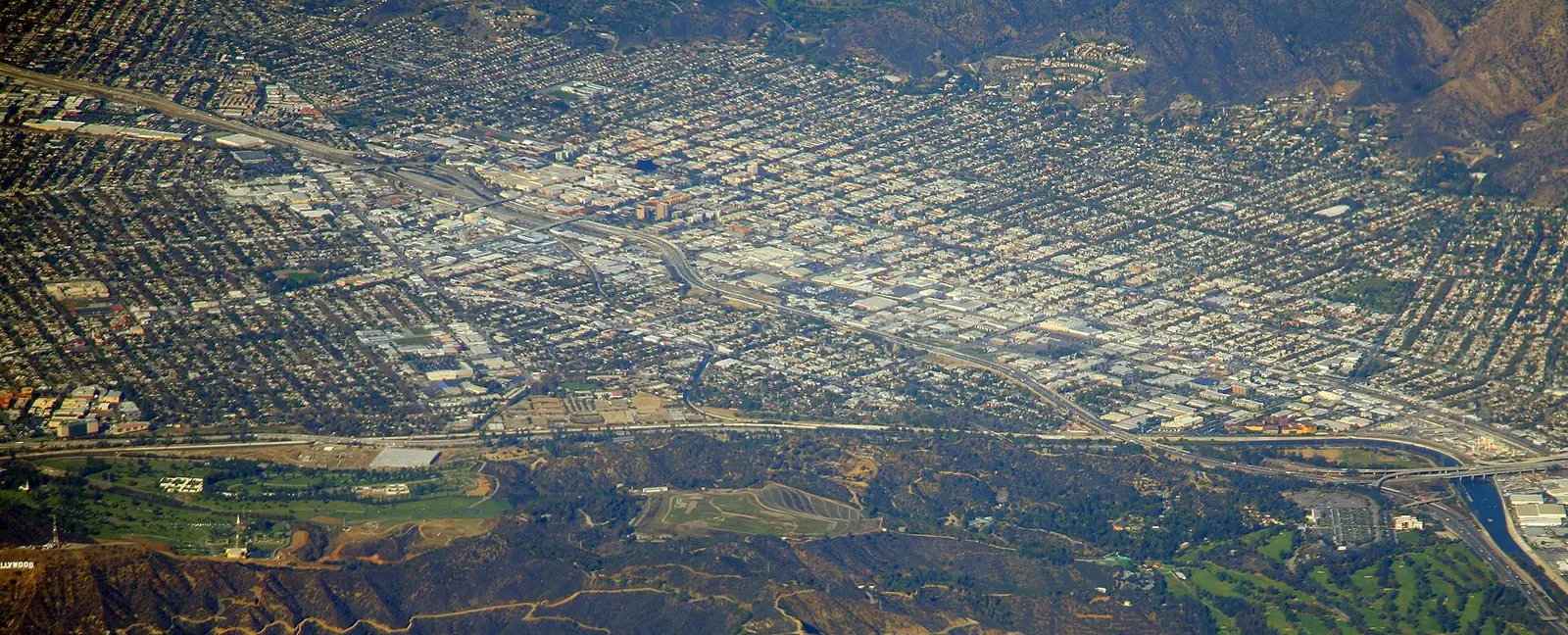
Burbank's association landscape follows its studios. The condo and townhome stock clusters around the Media District and Downtown, within a short drive of the Warner Bros. and Disney lots, while the blocks of Magnolia Park and McNeil hold smaller buildings tucked between well-kept post-war ranch homes. Up against the Verdugo Mountains, hillside developments like the 863-unit Cabrini Villas — built in 1975 with seven pools and six tennis courts spread across two-story buildings — represent the other end of the spectrum: large, amenity-heavy communities with long component lists.
What many of these associations share is age and scale. Much of Burbank's multifamily stock dates to the 1960s through 1980s, and a large share of its associations are small — a single building or a short row of townhomes with a volunteer board and, often, no professional management company. For those boards, the reserve study is not just a compliance document; it is frequently the only long-range capital plan the community has.
Apex Reserve Group, based in Irvine, provides full reserve studies, on-site updates, and annual off-site updates for associations throughout Burbank, from a six-unit building off Magnolia Boulevard to a hillside community with hundreds of doors.
Why Burbank Associations Need Current Reserve Studies
A Burbank condo building from the 1960s or 1970s is now on its second or third roof, and components that were replaced once already — asphalt drives, carport structures, pool plaster, original plumbing and electrical panels — are cycling again. Flat and low-slope roofs common on mid-century multifamily buildings, exterior stairways and elevated walkways, and single-elevator buildings in the Downtown and Media District cores all carry replacement costs that dwarf a small association's annual budget. Hillside communities add their own line items: retaining walls, slope drainage, and long private streets that the city does not maintain. When a board with no management company defers a reserve study, the first warning it gets is usually a bid it cannot pay without a special assessment. A current study, with an on-site inspection and a realistic funding plan, turns those surprises into scheduled projects.
Burbank's Condo and Townhome Landscape
Burbank's associations sort roughly by geography. The Media District and Downtown hold most of the city's condominium buildings — the natural entry point for buyers who work at the studios — typically mid-size buildings with shared garages, elevators, and common corridors. Magnolia Park and McNeil are dominated by post-World War II single-family homes, with smaller condo and townhome properties scattered among them; these are often eight-to-twenty-unit associations where the component list is short but the margin for error is thin. Chandler Park mixes homes and townhomes built from the 1940s through the 1970s. The Rancho Equestrian District near the Los Angeles River is mostly single-family, while the hillside neighborhoods below the Verdugos include some of the city's largest planned communities, Cabrini Villas among them, where pools, tennis courts, clubhouses, and extensive private streets and slopes drive the funding plan.
What California Law Requires
Under the Davis-Stirling Act, most California common interest developments must complete a reserve study with an on-site inspection at least every three years, with annual updates in between (Civil Code Section 5550), and must include the reserve funding disclosures in the annual budget report sent to all members (Civil Code Section 5300). These requirements apply to a ten-unit building on Verdugo Avenue just as they do to an 800-unit hillside community — there is no small-association exemption. For Burbank condo buildings with elevated walkways, decks, or exterior stairs, SB 326 balcony inspections also feed directly into the reserve study, since the deadline for the first inspection has passed and repairs identified by the inspector belong in the funding plan.
Our Reserve Study Services in Burbank
Full Reserve Study — A complete on-site inspection of every common area component, from a Media District building's elevator and garage to a hillside community's pools and retaining walls, with a 30-year funding plan and all California disclosure forms. Reserve Study Update With Site Visit — An on-site review every three to five years that captures completed projects and current conditions, keeping your Burbank association compliant with Civil Code 5550. Off-Site Annual Update — An affordable remote update in the in-between years, well suited to smaller self-managed Burbank buildings that need the required annual disclosure without a full inspection.
Burbank Communities We Serve
We serve associations across the city, including the Media District, Downtown Burbank, Magnolia Park, McNeil, Chandler Park, the Rancho and Rancho Equestrian District, the hillside neighborhoods below the Verdugo Mountains including Cabrini Villas and Burbank Hills Estates, and associations throughout Burbank.