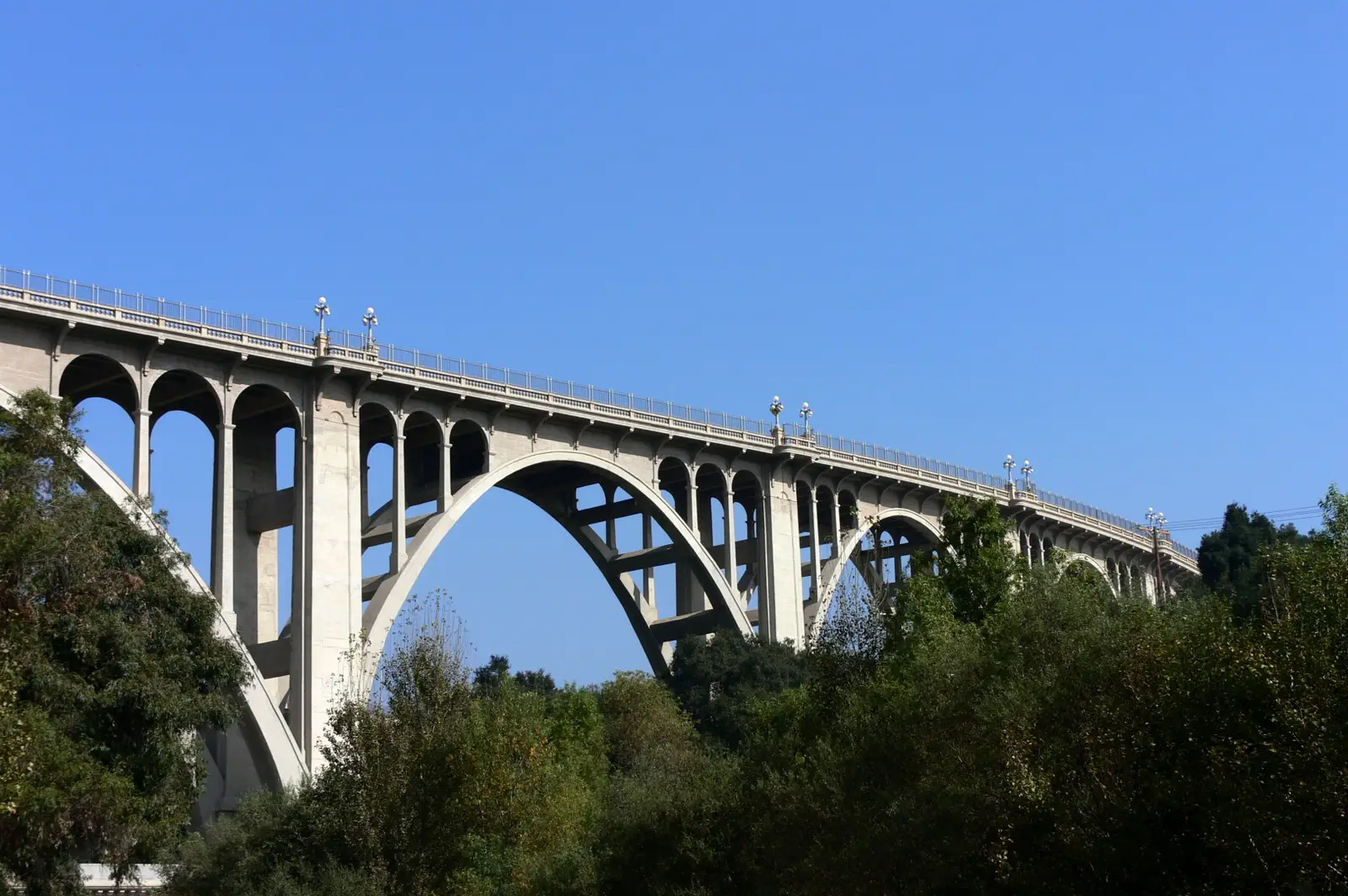
Pasadena's association landscape looks nothing like a master-planned suburb. This is a Craftsman-era city where much of the condo stock is a vintage building converted to condominiums decades ago, a mid-rise from the downtown building boom of the 1960s through 1980s, or a newer mixed-use development around Old Pasadena, the Playhouse District, and the Metro A Line stations. Many associations here are small — a dozen or two units in a single older building — with component lists a newer community never has to think about.
Age is the defining reserve issue in Pasadena. Original tile roofs, cast-iron plumbing, aging elevators, brick and stucco facades, and hardscape lifted by mature street trees all mean shorter remaining useful lives and pricier like-for-like replacements — especially where a building sits in or near a historic district and repairs must match the original character.
Apex Reserve Group prepares reserve studies for associations throughout Pasadena, from single-building conversions to larger townhome and mixed-use communities, with funding plans built around the real age and condition of each property.
Why Pasadena Associations Need Current Reserve Studies
A reserve study built on generic component lifespans will mislead a Pasadena board. A building converted to condos in the 1970s may still be running on systems from its original construction decades earlier, and the gap between assumed and actual remaining useful life can be enormous. Replacement costs run higher here too: matching period windows, tile roofs, or masonry detailing costs more than standard modern materials, and buildings within Pasadena's historic districts may face design review that narrows the choice of replacements. The city's celebrated tree canopy adds its own line items — root-lifted sidewalks, cracked pool decks, and drainage repairs recur far more often than in younger cities. And many of Pasadena's multi-story condo buildings have balconies or elevated walkways covered by SB 326, whose structural findings should flow directly into the reserve funding plan rather than sitting in a separate report.
A Condo Stock Unlike Anywhere Else in the San Gabriel Valley
Old Pasadena's residential units are largely lofts and condos inside restored brick commercial buildings — associations there budget for elevators, fire-life-safety systems, and facades rather than pools and greenbelts. The Playhouse District mixes newer condominium buildings with historic structures around the Pasadena Playhouse. The South Lake corridor and nearby Madison Heights carry much of the city's mid-century and 1970s–80s condo and townhome stock, where original roofing, plumbing, and mechanical systems are well into replacement cycles. Raymond Hill/Arroyo Del Mar blends converted historic properties with mid-century condo buildings. Near the Del Mar and Memorial Park Metro stations, transit-oriented buildings from the last two decades have younger components but complex shared elements — podium decks, subterranean garages, and mixed commercial-residential cost allocations. In foothill neighborhoods like Hastings Ranch, Linda Vista, and San Rafael, smaller townhome associations maintain private streets, slopes, and drainage.
What California Law Requires
Under the Davis-Stirling Act, every Pasadena association must obtain a reserve study with an on-site inspection at least every three years, with annual updates in between (Civil Code Section 5550), and must include the reserve funding disclosures in the annual budget report sent to all members (Civil Code Section 5300). For Pasadena's many multi-story condo buildings, SB 326 (Civil Code Section 5551) required condominium associations to complete their first structural inspection of balconies and elevated exterior elements by January 1, 2025 — a deadline that has now passed, so associations without a completed inspection are out of compliance — and any findings belong in your reserve component list.
Our Reserve Study Services in Pasadena
Full Reserve Study — A complete on-site inspection and 30-year funding plan, with component lives based on the actual age and construction era of your building, not generic tables. Reserve Study Update With Site Visit — An on-site reassessment every three to five years, important in Pasadena where older components can deteriorate faster than projected. Off-Site Annual Update — A remote update in between site visits that keeps your funding plan current with completed projects and cost inflation.
Pasadena Communities We Serve
We serve associations in Old Pasadena, the Playhouse District, South Lake, Madison Heights, Raymond Hill/Arroyo Del Mar, Bungalow Heaven, Historic Highlands, Orange Heights, Daisy Villa, Hastings Ranch, Linda Vista, San Rafael, and the neighborhoods around Caltech and the Civic Center — and associations throughout Pasadena.