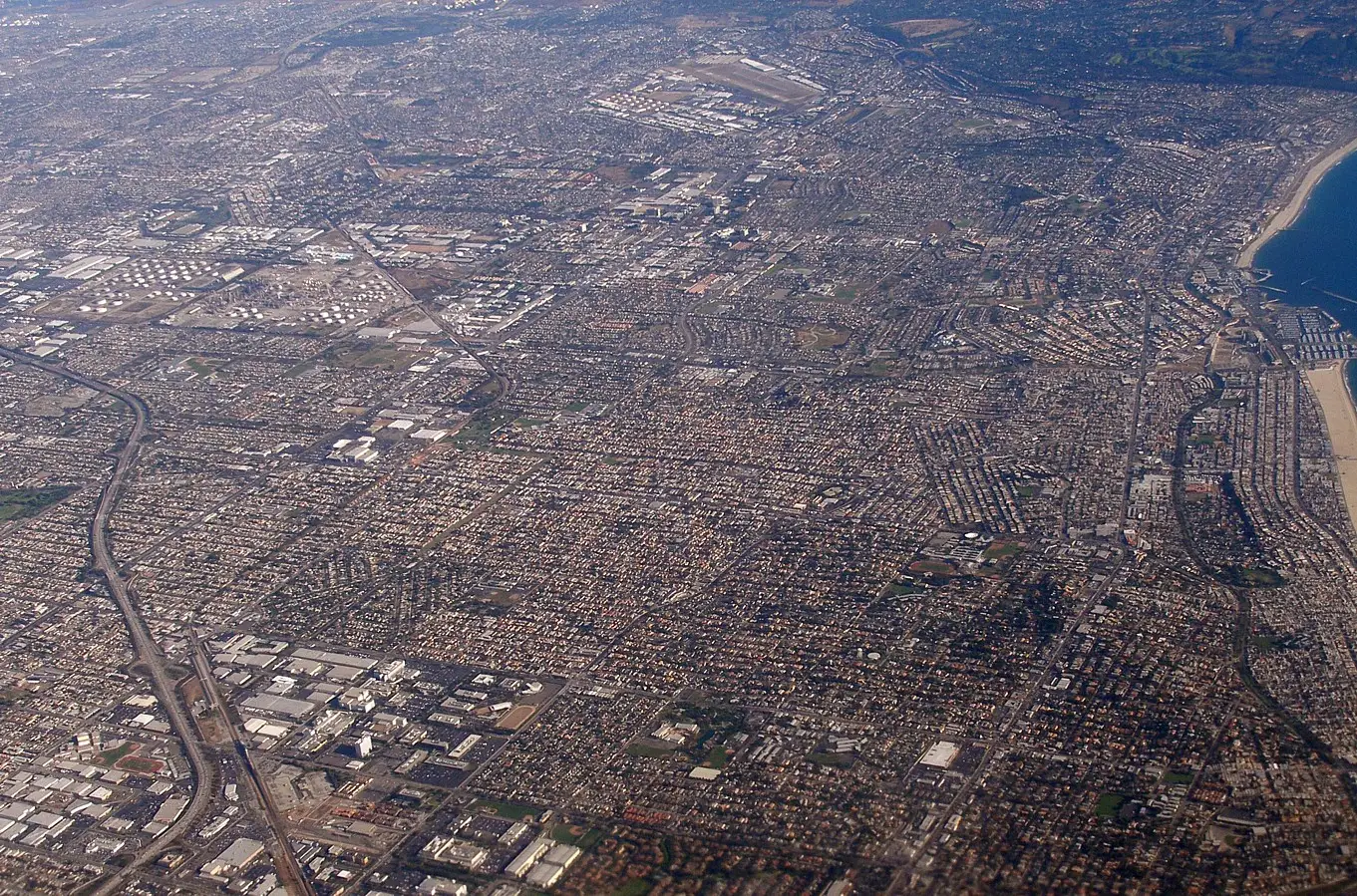
Torrance's association housing arrived in waves. New Horizons South Bay, a 600-unit senior community on 80 acres, opened in the early 1960s as one of the first age-restricted condominium communities in the country. Garden-style condo and townhome complexes filled in across North and East Torrance and the Del Amo area through the 1970s, and in the 1980s the Plaza del Amo corridor added gated townhome communities such as Springwood, Windemere, and The Breakers — most with pools, greenbelts, and private streets.
That timeline matters: much of this housing is now at or past its first full replacement cycle, with roofs, original plumbing, pool equipment, and private asphalt due or overdue. Apex Reserve Group, based in Irvine, provides reserve studies for associations throughout Torrance, from small self-managed townhome communities to large amenity-rich ones.
Why Torrance Associations Need Current Reserve Studies
Torrance's association housing skews older than the master-planned inventory further south. A complex built in 1975 is not preparing for its first roof replacement — it is likely on its second, with plumbing, electrical panels, and deck framing layered on top. Geography helps in one respect: most of Torrance sits inland of Torrance Beach, so associations get a mild marine climate without the salt-spray exposure beachfront buildings face. But the marine layer still works on flat roofs, metal fencing, and exterior coatings, and the city's family-oriented communities carry pools, spas, playgrounds, and greenbelt irrigation that wear out on their own schedules. A study built on five-year-old assumptions describes none of this accurately: conditions drift, costs move, and a board funding against stale numbers is funding the wrong future.
Torrance's Association Landscape, From Garden Condos to Gated Townhomes
Torrance is the largest city in the South Bay, and its associations cluster in recognizable patterns. The Plaza del Amo corridor in central Torrance holds a concentration of gated townhome communities built largely in the 1980s — Springwood alone has 256 townhome-style units — where gates, call boxes, private streets, community pools, and perimeter walls are all association responsibilities. North and East Torrance and the Del Amo area carry much of the city's garden-style condo stock, where shared roofs, carports, and central water heating systems dominate the component list. New Horizons South Bay presents a different profile entirely: 600 units with a clubhouse, golf course, and pool — a heavy amenity load that demands careful long-range funding. Even the largely single-family neighborhoods — Old Torrance's historic bungalow blocks, West Torrance's ranch-home streets, hillside Hollywood Riviera — include townhome infill and small associations. Each profile carries a different component list, and a credible reserve study reflects the one your community actually owns.
What California Law Requires
Under the Davis-Stirling Act, most California common interest developments must obtain a reserve study with an on-site inspection at least every three years, with annual updates in between (Civil Code Section 5550). The funding plan and disclosure summary must be included in the annual budget report sent to all members (Civil Code Section 5300). For Torrance condo buildings with elevated balconies, decks, or walkways, SB 326 (Civil Code Section 5551) required the first structural inspection by January 1, 2025 — a deadline that has now passed, so an association without a completed inspection is out of compliance, and findings from those inspections should be reflected in your reserve study's funding plan.
Our Reserve Study Services in Torrance
Full Reserve Study — a comprehensive on-site inspection and 30-year funding plan, the right starting point for a Torrance association without a current study or one facing its first major replacement wave.
Reserve Study Update With Site Visit — the on-site review California requires every three years, updated for actual conditions at your property.
Off-Site Annual Update — a remote update in the years between inspections, adjusting for inflation and completed projects.
Torrance Communities We Serve
We serve associations across the city, including Old Torrance, North Torrance, West Torrance, East Torrance, Southwood, Walteria, Seaside, Hollywood Riviera, the Plaza del Amo corridor, the Del Amo area, communities such as New Horizons South Bay, and associations throughout Torrance.