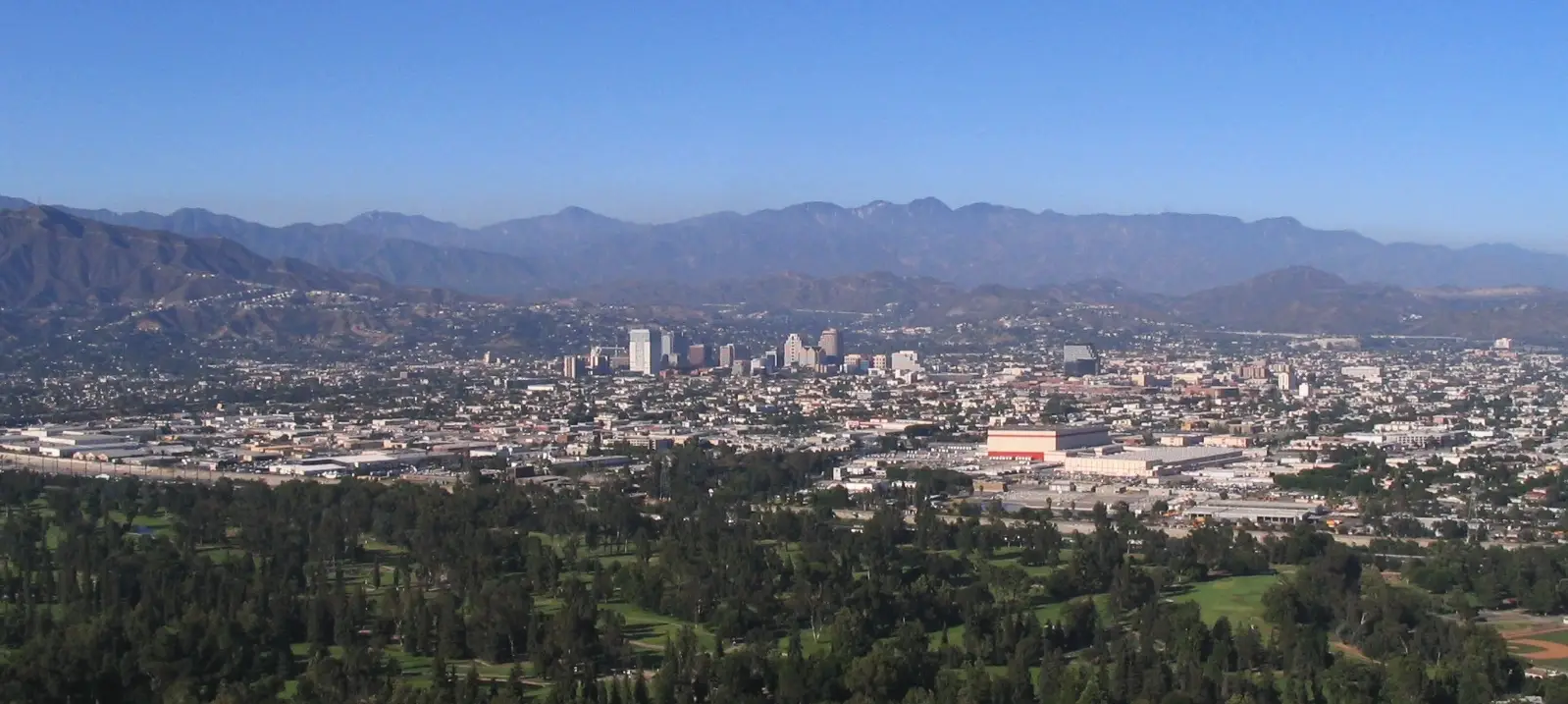
Glendale's association landscape runs in two very different directions. Along Brand Boulevard and the downtown core, condo living is vertical: buildings like Verdugo Towers (1964), Monterey Island (1982), and Park Towers (1988) put elevators, central mechanical systems, and shared amenity decks at the center of every budget, and the blocks around the Americana at Brand added a newer generation of mid-rise condominiums after 2008. Climb into the Verdugo Mountains and San Rafael Hills — Chevy Chase Canyon, Verdugo Woodlands, Oakmont, Glenoaks Canyon — and the picture changes to hillside associations whose biggest assets are often invisible from the street: retaining walls, slope drainage, and private roads.
Apex Reserve Group, based in Irvine, provides reserve studies for both kinds of community throughout Southern California. Whether your association maintains an 18-story tower or a canyon road, we build the funding plan around the components you actually own.
Why Glendale Associations Need Current Reserve Studies
Much of Glendale's condominium stock went up between the 1960s and the late 1980s, which means the original elevators, boilers, plumbing risers, and rooftop HVAC in many downtown buildings are past — or well into — their expected service lives. These are the most expensive line items an association can face, and they rarely fail on a convenient schedule. A tower that has never modeled an elevator modernization or a repipe in its reserve plan is one bid away from a painful special assessment.
Hillside associations face a different version of the same problem. Retaining walls, slope drainage systems, and privately maintained streets deteriorate slowly and get replaced at long, irregular intervals, so they are easy to leave out of a funding plan entirely. In canyon terrain, drainage and slope stability are exactly the components you do not want to discover are underfunded after a wet winter. A current study puts realistic costs and timelines on all of it.
Two Glendale Housing Markets, Two Kinds of Association
Downtown Glendale and the surrounding City Center blocks hold the densest concentration of condo associations, from 1960s–80s mid- and high-rises along Brand Boulevard to newer buildings such as the Excelsior at Americana. Common components here skew mechanical: elevators, fire-life-safety systems, parking structures, pools, and shared courtyards. South Glendale neighborhoods like Tropico and Adams Hill add a layer of smaller condo and townhome associations, many in converted or infill buildings where a handful of owners share a roof, a driveway, and not much budget margin for surprises.
In the hills, associations in Chevy Chase Canyon, Oakmont, and Glenoaks Canyon often maintain private streets, guardrails, retaining structures, and drainage improvements across steep terrain. Component lists — and funding needs — look completely different across these markets, which is why a template study serves no one in Glendale.
What California Law Requires
Under the Davis-Stirling Act, California Civil Code Section 5550 requires most common interest developments to complete a reserve study with an on-site inspection at least every three years, with annual updates in between, and Section 5300 requires the funding plan and disclosure summary in each year's budget report. For Glendale's condo buildings with elevated balconies and walkways, SB 326 required a first structural inspection by January 1, 2025 — a deadline that has already passed. If your association has completed one, those findings belong in your reserve study; if not, the association is out of compliance and the inspection should be scheduled without delay.
Our Reserve Study Services in Glendale
Full Reserve Study — A complete on-site inspection and 30-year funding plan, scoped to your actual components, whether that means tower mechanical systems on Brand Boulevard or retaining walls above a canyon road. Reserve Study Update With Site Visit — An on-site refresh every three to five years that captures completed projects and changed conditions. Off-Site Annual Update — A remote financial update in between site visits that keeps your Glendale association compliant with the annual update requirement.
Glendale Communities We Serve
We serve associations across the city, including Downtown Glendale and the City Center, Tropico, Adams Hill, Verdugo Viejo, Rossmoyne, Verdugo Woodlands, Chevy Chase Canyon, Glenoaks Canyon, Oakmont, Sparr Heights, Montrose, and associations throughout Glendale.