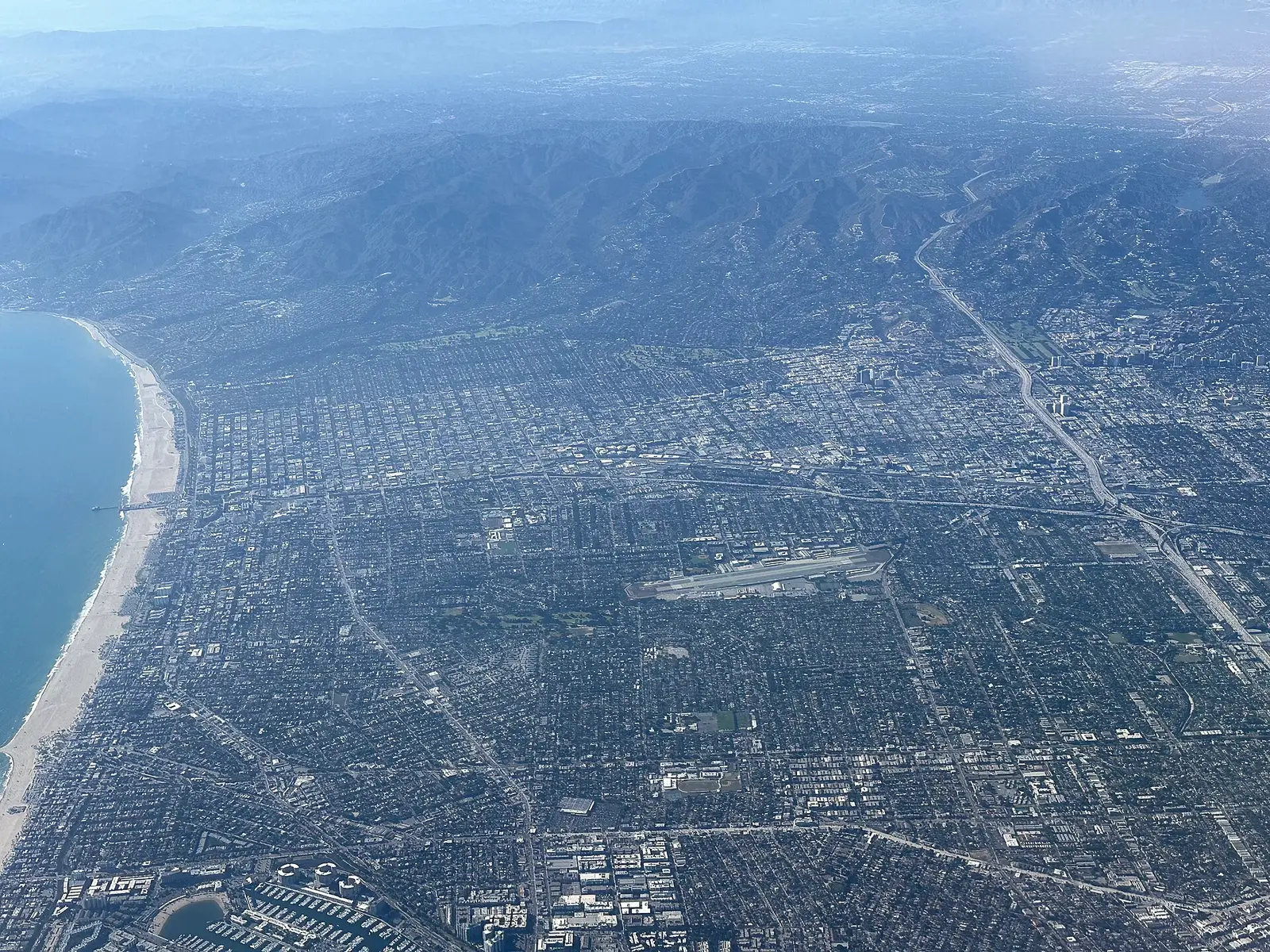
Santa Monica is overwhelmingly a city of multifamily housing. Roughly three-quarters of its housing units sit in multi-unit buildings, and much of that stock — the condo buildings between Wilshire and Montana, the mid-century complexes in Ocean Park, the four- and five-unit buildings of Mid-City — went up between the 1950s and the 1980s. That means a large share of Santa Monica's condominium associations are managing buildings that are forty to seventy years old, within a few blocks of the ocean, in one of the most expensive construction markets in California.
Apex Reserve Group prepares reserve studies for condo associations and HOAs throughout Santa Monica. We are based in Irvine and serve communities across Southern California, and we understand what coastal exposure, aging mid-century construction, and Santa Monica's demanding permitting environment do to a reserve budget. A reserve study built on realistic local replacement costs — not statewide averages — is the difference between a funding plan your board can trust and one that falls apart at the first bid.
Why Santa Monica Associations Need Current Reserve Studies
Salt air is not gentle on buildings. In a city as compact and close to the ocean as Santa Monica, marine-air exposure reaches condo buildings well beyond the beachfront, and it shortens the useful life of nearly every exterior component: steel railings and balcony connections corrode, stucco and paint coatings break down faster, roofing membranes and flashing degrade, and elevator and pool equipment in ocean-facing buildings needs more frequent attention. A reserve study that applies inland useful-life assumptions to a building two blocks off Ocean Avenue will overstate how long components last and understate what the association needs to save.
Cost is the second half of the problem. Santa Monica construction pricing runs well above regional norms, and exterior work on older buildings often triggers city permitting and review that adds time and expense. When a 1960s building finally replaces its roof or repipes its plumbing, the invoice reflects Santa Monica prices. Boards that fund reserves against outdated cost assumptions discover the gap at the worst possible moment — when the project can no longer wait.
A City of Small and Mid-Size Condo Associations
Santa Monica has few master-planned communities. Instead, its association landscape is hundreds of small to mid-size condominium buildings scattered across a compact grid. The Wilshire-Montana area north of Wilshire Boulevard is dense with condo buildings on numbered streets; Ocean Park mixes Craftsman-era survivors with mid-century apartment and condominium complexes near the beach; Mid-City saw waves of four- and five-unit buildings replace older houses beginning in the 1960s; and the east end of Sunset Park has pockets of townhomes and condos amid its single-family blocks.
For a 12-unit or 30-unit association, the reserve math is unforgiving: there are few owners to share the cost of a roof, an elevator modernization, or a seismic or balcony repair, so every dollar of the funding plan matters. Small buildings also tend to have volunteer boards without professional management, which makes a clear, readable reserve study — one that tells the board exactly what to fund and when — especially valuable.
What California Law Requires
Under the Davis-Stirling Act, most California common interest developments must obtain a reserve study with an on-site inspection at least every three years, with annual updates in between (Civil Code Section 5550), and must include the reserve funding disclosures in the annual budget report sent to all members (Civil Code Section 5300). For Santa Monica's condo buildings, SB 326 added mandatory inspections of elevated balconies, decks, and walkways, with a first-inspection deadline of January 1, 2025 — a deadline that has now passed. Associations that have not yet completed that inspection are out of compliance and should schedule one promptly, and the findings frequently change reserve funding needs, so they belong in your next study.
Our Reserve Study Services in Santa Monica
Full Reserve Study — a complete on-site inspection with a 30-year funding plan and all California disclosure forms, using useful-life and cost assumptions appropriate for coastal Santa Monica buildings.
Reserve Study Update With Site Visit — an on-site reassessment every three to five years, important in a marine environment where exterior conditions can change faster than inland schedules predict.
Off-Site Annual Update — a remote update in the years between site visits that keeps your funding plan current with completed projects, inflation, and your actual reserve balance.
Santa Monica Communities We Serve
We serve condominium associations and HOAs in every part of the city, including Ocean Park, Sunset Park, the Wilshire-Montana neighborhood, North of Montana, Mid-City, the Pico neighborhood, Downtown Santa Monica, and associations throughout Santa Monica.