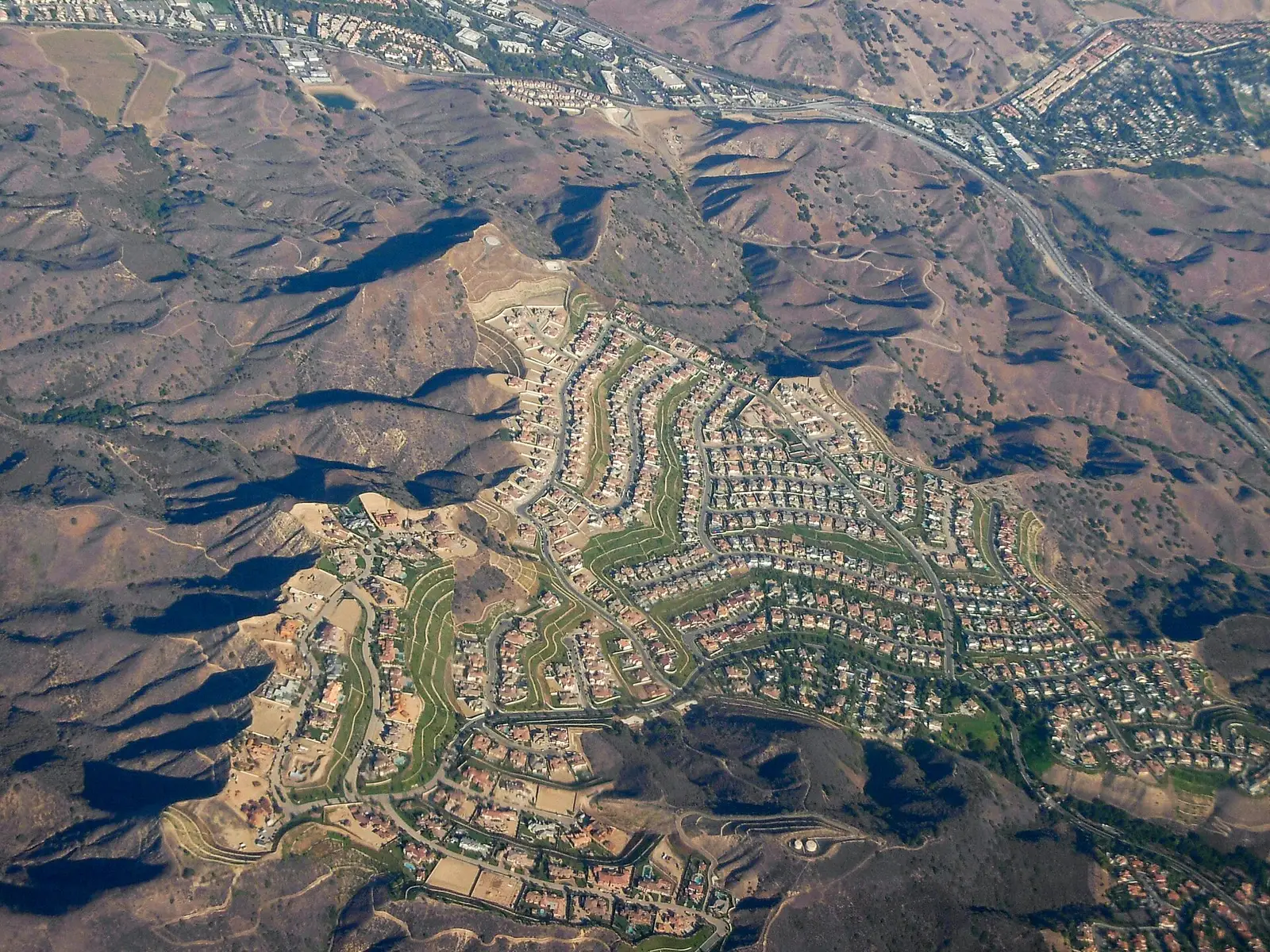
In Calabasas, homeowner associations own and maintain infrastructure that in most cities would belong to the public. Guardhouses staffed around the clock, private streets, entry monuments, clubhouses, tennis courts, and hillside common landscaping are all association property in communities like The Oaks and Calabasas Park Estates. Even Calabasas Lake — the centerpiece of the city, ringed by a walking path — is privately owned by the Calabasas Park Homeowners' Association, not the city.
Every one of those assets carries a replacement obligation, and none of them appears in a municipal budget. A guardhouse roof, a mile of private asphalt, a lakeside community's paths and fencing — these show up in one place: the association's reserve study. Apex Reserve Group, based in Irvine, prepares reserve studies for HOA and condo associations throughout Calabasas, from the estate communities along Parkway Calabasas to the townhome and condominium associations near Las Virgenes Road and the 101 corridor.
Why Calabasas Associations Need Current Reserve Studies
Most of Calabasas was built between 1970 and 1999. Calabasas Hills largely dates to the late 1980s, and Calabasas Park Estates was developed from 1988 to 1999 — which means the original roofs, private street asphalt, pool plaster, gate operators, and clubhouse mechanical systems in these communities are now deep into their replacement cycles, often all at once. Because these are guard-gated communities, the city will never repave the streets or rebuild the gatehouse; those costs fall entirely on the membership. The scale of the amenities amplifies the numbers: a community with a staffed gate, resort-style recreation facilities, and extensive common landscaping has replacement costs far above those of a typical suburban HOA. Calabasas's hillside setting adds slopes, retaining walls, and drainage systems to many component lists, and much of the city sits in CAL FIRE-designated very high fire hazard severity zones — the 2018 Woolsey Fire crossed the 101 at Calabasas — which puts sustained pressure on vegetation management and insurance costs. Boards here also answer to owners who expect polish. A current, professionally prepared reserve study gives a Calabasas board the funding plan, and the documentation, to keep standards where the community expects them without resorting to special assessments.
From Guard-Gated Estates to Canyon Condos: Calabasas's Association Landscape
Calabasas's single-family associations are dominated by guard-gated communities: The Oaks, with its clubhouse, pool, parks, and sports courts behind 24-hour gates; Calabasas Park Estates, with guarded access and tennis facilities near the golf course; and gated enclaves such as Calabasas Hills, Vista Pointe, Westridge, Bellagio, and Mulholland Heights. Their reserve components lean heavily toward access control, private streets, perimeter walls, and recreation amenities. But roughly a third of the city's housing is attached or multi-family, organized into named condominium and townhome associations — Las Virgenes Village, Malibu Canyon Villas, the Malibu Creek condominiums, Tanterra, Park Sorrento near Old Town, The Colony at Calabasas, and Mont Calabasas among them. These communities carry a different component profile: building roofs and envelopes, elevated balconies and walkways, carports, and shared plumbing and mechanical systems. We tailor each study to the association's actual asset base rather than applying a generic template — an estate community's gatehouse and a canyon condo's balcony framing demand different expertise, and Calabasas has both.
What California Law Requires
Under the Davis-Stirling Act, every Calabasas association must obtain a reserve study with an on-site inspection at least every three years, with annual updates in between (Civil Code Section 5550), and must include the reserve funding disclosures in the annual budget report sent to all members (Civil Code Section 5300). For the city's condominium and townhome associations — from Las Virgenes Village to Park Sorrento — SB 326 (Civil Code Section 5551) also required a first structural inspection of elevated balconies, walkways, and decks by January 1, 2025. That deadline has passed, so associations that have not yet completed an inspection are out of compliance and should schedule one promptly — and the findings should flow directly into the reserve study's component schedule.
Our Reserve Study Services in Calabasas
Full Reserve Study — A comprehensive on-site inspection of every common area component, from gatehouse to lakeside path, with a 30-year funding plan, percent funded analysis, and all California disclosure forms.
Reserve Study Update With Site Visit — An on-site reassessment every three to five years that captures how Calabasas's sun, hillside drainage, and heavy amenity use are actually aging your components.
Off-Site Annual Update — A remote update in the years between inspections that keeps your funding plan current with completed projects, inflation, and your reserve balance.
Calabasas Communities We Serve
We serve associations throughout Calabasas, including The Oaks, Calabasas Park Estates, Calabasas Hills, Vista Pointe, Westridge, Bellagio, Mulholland Heights, Saratoga Hills, Mont Calabasas, The Colony at Calabasas, Park Sorrento, Tanterra, Las Virgenes Village, Malibu Canyon Villas, the Malibu Creek condominiums, and associations throughout Calabasas.