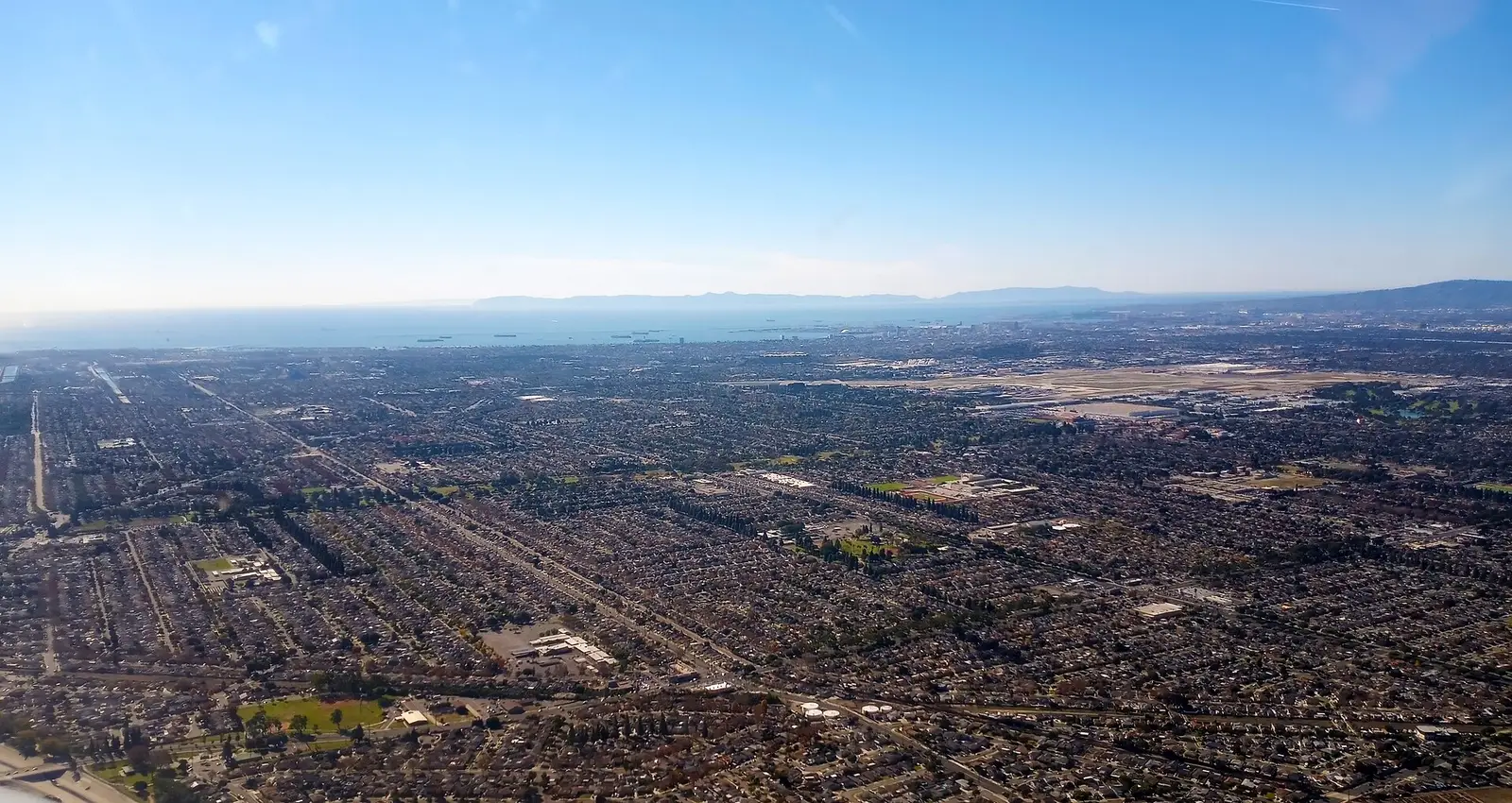
Long Beach has one of the most varied stocks of association-governed housing in Southern California. Ocean Boulevard alone spans a full century of condominium construction — from 1920s landmarks like the Villa Riviera and Cooper Arms, to the round International Tower of the 1960s, to 1980s high-rises like the Ocean Club — and the buildings step down to two- and three-story condos as the boulevard approaches Belmont Heights and Belmont Shore. Farther east, waterfront communities such as the 570-unit Marina Pacifica sit directly on the water near Alamitos Bay, while gated enclaves like Bixby Hill and townhome developments across East Long Beach round out the picture.
That variety is exactly why a generic reserve study falls short here. A 90-year-old high-rise with original elevators and plumbing risers, a guard-gated 1970s marina community with lagoons and six pools, and a small self-managed fourplex conversion in Alamitos Beach have almost nothing in common except a coastline — and the salt air that comes with it. Apex Reserve Group, based in Irvine, prepares reserve studies for Long Beach associations that reflect what your specific buildings are, when they were built, and how the marine environment is actually aging them.
Why Long Beach Associations Need Current Reserve Studies
Two forces drive reserve planning in Long Beach: age and the coast. Much of the city's condominium stock predates 1990, and the oldest Ocean Boulevard buildings predate the Depression. Components that inland communities replace on a predictable schedule — roofs, exterior coatings, metal railings, balcony decks, elevator systems — wear out faster within reach of salt air and the marine layer. Standard useful-life tables calibrated for inland properties routinely overstate how long these components will last on the waterfront, which means an association relying on them is quietly underfunding its reserves. Older buildings also carry components newer communities never budget for: aging plumbing risers, original electrical systems, historic facades, and elevators that may face six-figure modernization costs. A current reserve study with a site inspection that accounts for coastal exposure gives your board realistic replacement dates and a funding plan that will not collapse into a special assessment.
From Ocean Boulevard High-Rises to Naples Canals: Long Beach's Association Landscape
Downtown and Alamitos Beach hold the city's vertical stock — condominium towers along and near Ocean Boulevard whose reserve components are dominated by elevators, facades, common mechanical systems, and waterproofing rather than the roofs and asphalt that drive suburban budgets. Belmont Shore and Belmont Heights are lower-scale, with small condo buildings from the 1960s and 1970s, many of them self-managed. Naples, with its canals and waterfront homes, includes associations whose seawalls, docks, and shared landscaping raise component questions most reserve providers rarely see. Near Alamitos Bay, Marina Pacifica — completed in 1974 with 570 units, lagoons, and gated grounds — illustrates the large-scale amenity-heavy communities of that era, now several decades into their major replacement cycles. Inland, Bixby Knolls and California Heights are largely single-family, but East Long Beach contains townhome and planned-development associations, including the gated Bixby Hill. Each of these building types calls for a different component inventory, and we build the study around yours.
What California Law Requires
Under the Davis-Stirling Act, Civil Code Section 5550 requires most California common interest developments to obtain a reserve study with an on-site inspection at least every three years, with annual updates in between, and Section 5300 requires the reserve funding disclosures to appear in the annual budget report sent to all members. For Long Beach's many pre-1990 condo buildings, SB 326 added a separate obligation: a structural inspection of elevated balconies, decks, and walkways, with a first-inspection deadline of January 1, 2025 — a deadline that has passed, so associations that have not completed one are out of compliance. SB 326 findings and reserve planning go hand in hand: inspection results frequently change the remaining useful life assigned to decks and railings in the reserve study.
Our Reserve Study Services in Long Beach
Full Reserve Study — A complete on-site inspection and 30-year funding plan, with component useful lives adjusted for coastal exposure where your property faces the water. Typical delivery: 3 to 4 weeks.
Reserve Study Update With Site Visit — An on-site review every 3 to 5 years, particularly valuable for older Long Beach buildings where conditions change faster than paper projections assume. Typical delivery: 2 to 3 weeks.
Off-Site Annual Update — A remote update in the years between site visits that keeps your funding plan and Civil Code disclosures current. Typical delivery: 1 to 2 weeks.
Long Beach Communities We Serve
We serve associations throughout the city, including Downtown Long Beach, Alamitos Beach, Belmont Heights, Belmont Shore, Naples, the Alamitos Bay and Marina area, Bluff Park, Bluff Heights, Bixby Knolls, California Heights, Bixby Hill, Bixby Village, El Dorado Park Estates, Los Altos, Lakewood Village, North Long Beach, and associations throughout Long Beach.