Doraville is a compact DeKalb County city of roughly 10,600 people, and its community associations look almost nothing like the high-rise condo boards of Buckhead or the sprawling master-planned HOAs farther out the Perimeter. Much of the housing here is modest and mid-century: Northwoods, developed in nine units between 1950 and 1958, is a National Register-listed neighborhood of contemporary and ranch homes, while neighboring Oakcliff and the Guilford Village and Tilly Mill areas fill in the single-family fabric that grew up alongside the old General Motors assembly plant. Layered on top of that older stock is a newer generation of for-sale attached housing — townhome and condominium communities scattered along Tilly Mill Road, Peachtree Road, and the streets off Buford Highway, plus recent construction such as the Carver Hills townhomes — and, with the roughly 135-acre Assembly Atlanta studio district rising on the former GM site, more association-governed density is on the way.
That mix is exactly why an off-the-shelf reserve study serves Doraville boards poorly. A self-managed 1960s condo community near the MARTA Gold Line terminus, a small ranch-home HOA in the historic Northwoods blocks, and a brand-new townhome association off Buford Highway carry entirely different component lists, ages, and replacement horizons — and all of them sit in a humid-subtropical climate that ages roofs, siding, and coatings faster than national tables assume. Apex Reserve Group is based in Irvine, California, and prepares these studies through a team member who lives in the metro Atlanta area and performs the on-site inspections in person. Your study reflects what your buildings actually are, how old they are, and how DeKalb County's heat, humidity, and clay soils are aging them — not a template borrowed from somewhere else.
Why Doraville Associations Need Current Reserve Studies
Reserve planning in Doraville is shaped by two things at once: the age of the housing and the size of the associations that maintain it. A large share of the city's attached and planned housing dates to the mid-twentieth century, and even the newer townhome and condo communities are now well into their first replacement cycles for roofing, siding, painting, paving, and pool equipment. Because so many Doraville associations are small and self-managed — a dozen to a few dozen doors, run by volunteer boards rather than professional managers — reserve funding is easy to defer and hard to catch up on once a major component fails. A current study built on an actual on-site inspection replaces guesswork with dated, priced projections, so a board can raise contributions gradually instead of facing a special assessment the month the roofs give out. In a humid-subtropical climate that timing matters even more, because the components most likely to blindside an unfunded board — shingles, wood trim, decks, and exterior coatings — are exactly the ones the Georgia weather wears out ahead of schedule.
From Northwoods' Mid-Century Blocks to Assembly-Era Townhomes: Doraville's Association Landscape
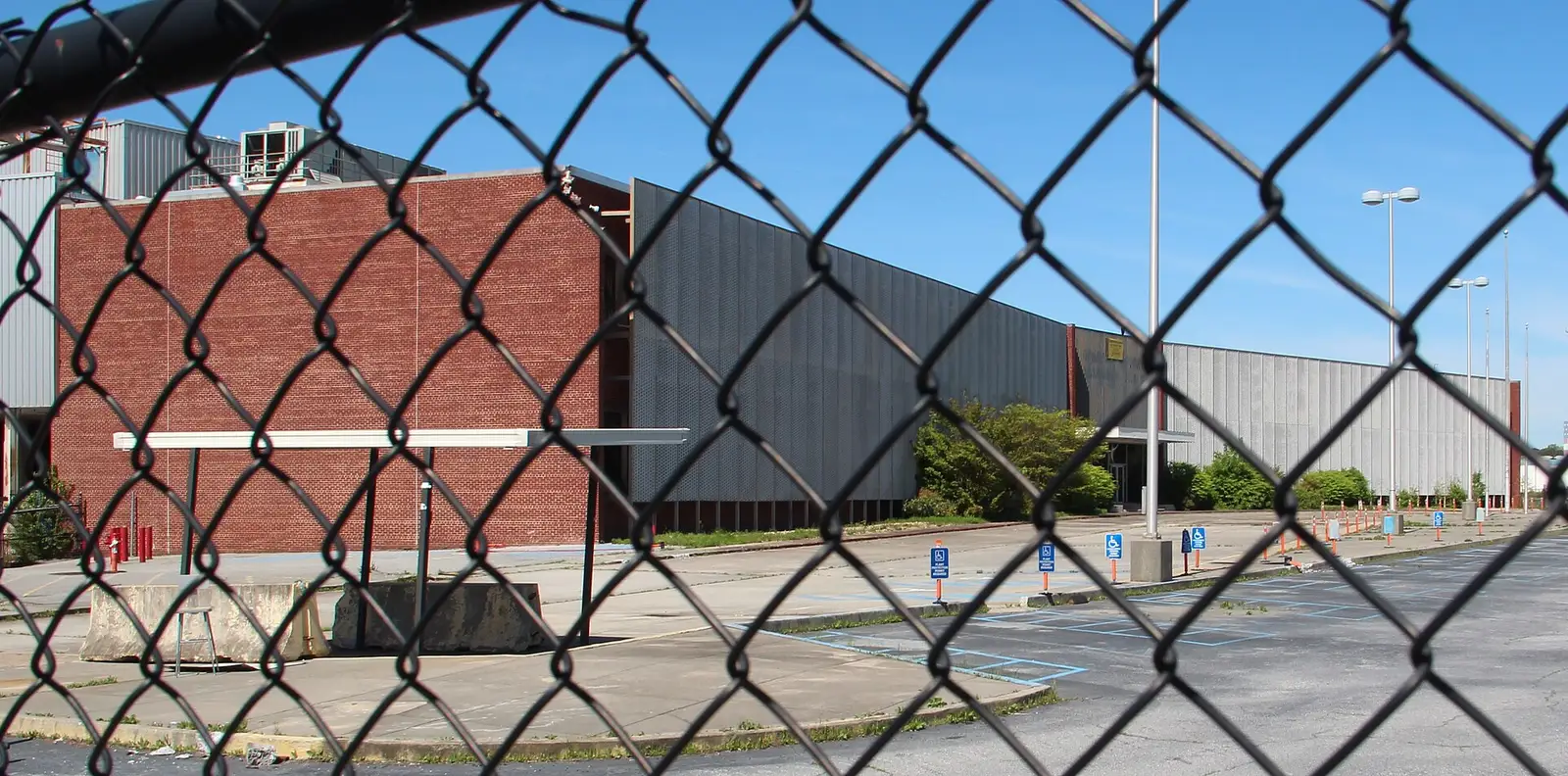
Doraville's association map runs from historic to brand-new. The Northwoods Historic District — listed on the National Register of Historic Places in 2014 and covering the Northwoods, Gordon Hills, and Gordon Heights sections inside the city — is an intact example of mid-century and contemporary residential design, its wooded lots holding homes built in stages across the 1950s. Adjacent Oakcliff, annexed to Doraville in 1958 and built out largely in the 1960s, and the Guilford Village and Tilly Mill neighborhoods add more ranch-era single-family stock, some of it association-governed and some not. The for-sale attached market is a patchwork of older condominium and townhome communities along Tilly Mill Road, Peachtree Road, and the streets off Buford Highway, together with newer developments such as the Carver Hills townhomes. Overlaying all of it is the redevelopment of the former General Motors plant site — now home to the roughly 135-acre Assembly Atlanta film and television campus, which folded in the earlier Third Rail Studios — whose planned residential blocks and the apartment growth along Buford Highway near the Doraville MARTA terminus point toward a denser, more association-heavy city over the coming decade. Each of these settings calls for its own component inventory, and we build the study around the community you actually govern.
What Georgia Law and Your Lenders Expect
Georgia has no statute that orders a homeowner or condominium association to commission a reserve study. Where the obligation exists at all, it comes from three other directions.
Your governing documents. The declaration, bylaws, and covenants recorded for your community are enforceable contracts. Many Doraville-area associations already bind the board to fund reserves or to study them on a schedule, and a board that disregards its own recorded documents exposes its members to claims.
Georgia's association statutes. Condominiums here operate under the Georgia Condominium Act (O.C.G.A. Title 44, Chapter 3), and many planned communities opt into the Georgia Property Owners' Association Act by recording an election to be governed by it. Neither statute forces a reserve study, yet both leave directors bound by fiduciary duties of care and good faith — and knowingly leaving a foreseeable roof or paving expense unfunded is hard to square with those duties. The Condominium Act also requires that assessment money set aside for reserves be held in separate reserve accounts, and while a declarant controls the association those funds cannot be spent on common expenses without the consent of unit owners holding two-thirds of the association vote.
Your lenders. When a buyer or owner in your community applies for a mortgage, FHA, Fannie Mae, and Freddie Mac review the association's finances, and they generally want to see roughly ten percent of the annual budget going to reserves or a professional reserve study on file. Since the Surfside collapse, that review has grown markedly stricter about deferred maintenance and structural condition. Fannie Mae and Freddie Mac are also raising the reserve threshold from ten to fifteen percent of the budget for loan applications dated on or after January 4, 2027, with a compliant, recently updated reserve study among the ways to meet it. For Doraville's older condominium buildings especially, a current study is fast becoming the difference between a financeable community and one where sales fall through.
Our Reserve Study Services in Doraville
Full Reserve Study — A ground-up inspection of every common component, a 30-year funding plan, percent-funded analysis, and funding scenarios your board can choose among; a solid first step for a community with no prior study or one working from an outdated baseline. Typical delivery: 3 to 4 weeks.
Reserve Study Update With Site Visit — A return visit every three to five years to re-inspect components, log completed and deferred projects, and reset the funding plan to current conditions and costs. Typical delivery: 2 to 3 weeks.
Off-Site Annual Update — A remote refresh for the years between site visits that adjusts for inflation, finished work, and your latest reserve balance to keep the plan and disclosures current. Typical delivery: 1 to 2 weeks.
Doraville Communities We Serve
Our Doraville service area covers associations across the city and the immediately surrounding DeKalb County neighborhoods, including Northwoods, Gordon Hills, Gordon Heights, Oakcliff, Guilford Village, Carver Hills, the Tilly Mill Road and Flowers Road corridors, the Buford Highway and City Center districts near the MARTA Gold Line terminus, the New Peachtree Road area, and the communities taking shape around the Assembly Atlanta redevelopment on the former GM site. We also serve nearby DeKalb communities in Chamblee, Tucker, and the unincorporated areas along the Interstate 285 corridor.