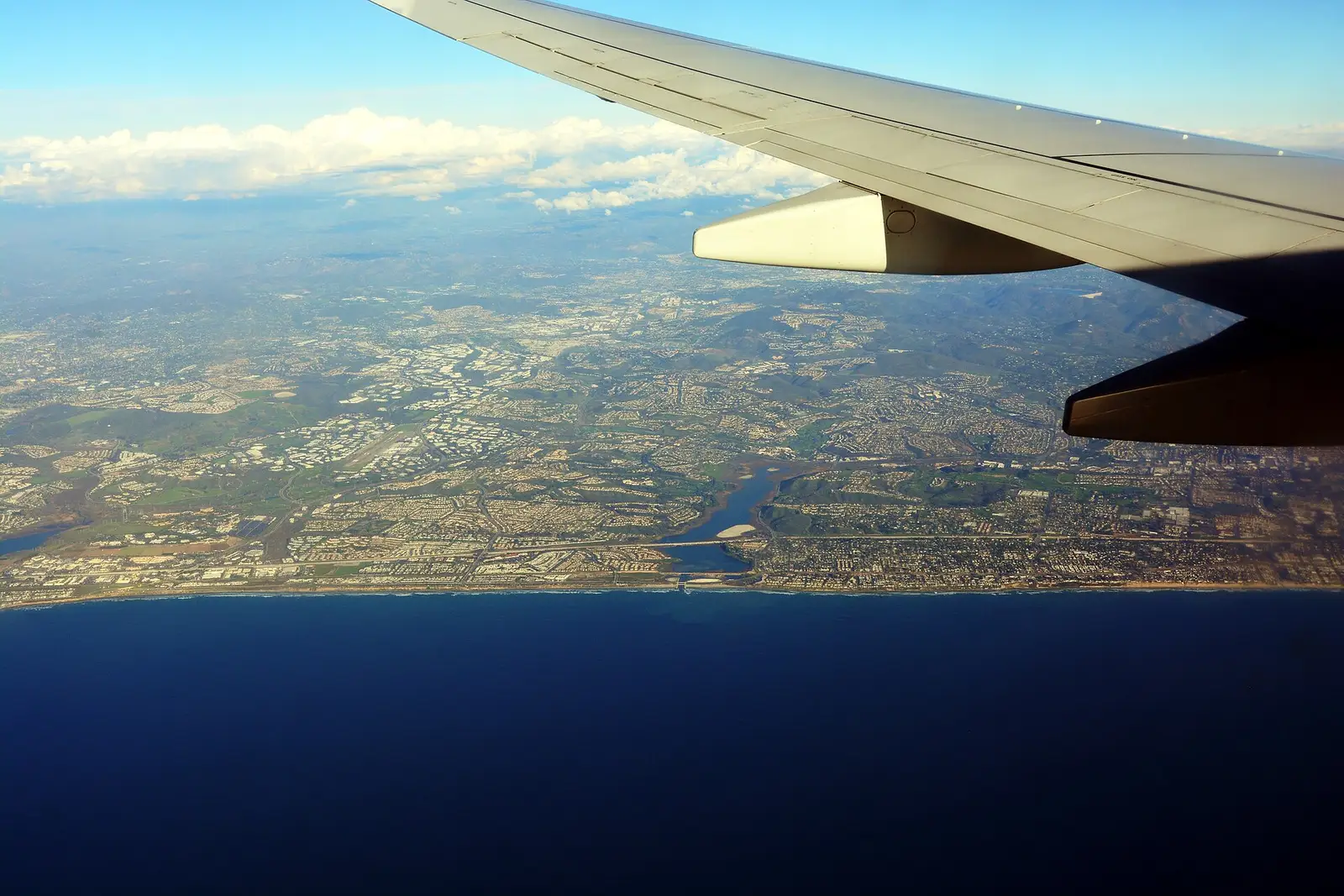
Carlsbad spreads across roughly seven miles of San Diego County coastline and climbs into the inland hills behind it, and its associations divide almost neatly along that line. Along the coast, Carlsbad Village and the beachfront pockets of South Carlsbad hold the city's older condominium stock — modest two- and three-story buildings, many raised in the 1970s and 1980s within a few blocks of the sand. Inland and to the south, a very different kind of association dominates: large resort and golf master plans built from the late 1980s onward. Aviara rose on a thousand hillside acres above Batiquitos Lagoon from the late 1980s into the early 2000s; Rancho Carrillo filled eighteen villages around the preserved Leo Carrillo ranch from 1998 to 2004; and the La Costa area, anchored by a resort that opened in 1965, added a generation of newer villages such as La Costa Greens, La Costa Oaks, and the gated La Costa Ridge. Bressi Ranch and the master association at Calavera Hills round out a landscape where a small beach-adjacent condo board and a thousand-home master HOA can sit only a few miles apart.
That split is exactly why a template reserve study serves Carlsbad poorly. A 1970s condominium a block from the beach and a 2000s master-planned community wrapped around a swim center and private streets share a climate but almost nothing else on their component lists. The older coastal buildings face salt air and the marine layer, which corrode railings, flashing, and rooftop equipment years ahead of the schedules inland useful-life tables assume, and many of them carry the elevated balconies and walkways now governed by SB 326. The large master plans carry the opposite challenge: sprawling shared amenities — clubhouses, pools, slopes, and miles of common landscape — whose replacement costs have to be sequenced decades out. Apex Reserve Group, based in Irvine, prepares each Carlsbad reserve study around the association actually in front of us: its age, its construction, its amenities, and the coastal exposure its specific site faces.
Why Carlsbad Associations Need Current Reserve Studies
Two things shape reserve planning in Carlsbad: a wide spread of building ages and a coastline that ages the oldest of them quickly. The city's association-governed housing runs from 1970s and 1980s beach condominiums in and around Carlsbad Village to master-planned homes and townhomes completed well into the 2000s, and each era carries its own replacement horizon. Near the water, salt air and persistent marine humidity attack metal railings, roof edges, exterior paint, and mechanical equipment faster than the standard tables written for dry inland tracts predict, so a board relying on those tables tends to underfund without realizing it. The larger inland associations face a different arithmetic — long private-street networks, slope irrigation, pools, and clubhouses that all mature toward replacement in the same window. In either case, a current study built on an actual site inspection replaces guesswork with realistic dates and a contribution schedule that can absorb the next major project instead of forcing a special assessment.
From Carlsbad Village Beach Condos to La Costa and Aviara: Carlsbad's Association Landscape
The coastal strip carries the city's oldest associations. Carlsbad Village, the walkable downtown beside the sea, mixes older cottages with small condominium and townhome buildings, many of them self-managed; the beachside neighborhood of Terramar and the condo pockets of South Carlsbad add more 1970s- and 1980s-era coastal stock, where roofs, decks, and railings sit directly in the marine environment. Move inland and the scale changes sharply. Aviara, on the hills above Batiquitos Lagoon, runs as a master association over neighborhoods such as Tramonto, Isla Mar, and Cantata, with sub-associations beneath it. The La Costa area layers resort and golf living across villages including La Costa Valley, La Costa Greens, La Costa Oaks, and the gated La Costa Ridge. Rancho Carrillo threads eighteen villages and a shared swim center around the historic Leo Carrillo ranch, Bressi Ranch pairs its homes with parks and protected open space, and the Calavera Hills master association governs a cluster of inland tracts to the northeast. Each of these calls for its own component inventory, and we build the study to match.
What California Law Requires
California's common interest developments answer to the Davis-Stirling Act. Civil Code Section 5550 directs most associations to commission a reserve study supported by an on-site inspection no less often than every three years, and to refresh it annually in the years between. Civil Code Section 5300 then requires the study's funding figures — the current reserve balance, the percent funded, and the plan to close any shortfall — to be summarized in the annual budget report sent to every owner. A third law, SB 326, reaches Carlsbad's condominium associations directly: it mandates a licensed structural inspection of elevated balconies, decks, stairways, and walkways, with the first inspection due by January 1, 2025, and a repeat at least every nine years after. That first deadline is now behind us, so any condo board along the coast that has not completed one is past due. Because Carlsbad's older beach condos are exactly the wood-framed, balcony-heavy buildings the law targets, we fold SB 326 findings into the reserve study, where they often revise the remaining life assigned to decks and railings.
Our Reserve Study Services in Carlsbad
Full Reserve Study — A complete on-site inspection and 30-year funding plan, with component useful lives adjusted for salt-air exposure on coastal properties and for the extensive shared amenities that Carlsbad's large master plans carry. Typical delivery: 3 to 4 weeks.
Reserve Study Update With Site Visit — A fresh on-site review every 3 to 5 years, valuable for beachfront buildings where conditions shift faster than a paper projection assumes and for maturing master-planned communities entering their major replacement cycles. Typical delivery: 2 to 3 weeks.
Off-Site Annual Update — A remote refresh in the years between site visits that keeps your funding plan and Civil Code disclosures current. Typical delivery: 1 to 2 weeks.
Carlsbad Communities We Serve
We prepare reserve studies for associations across Carlsbad, including Carlsbad Village, Terramar, South Carlsbad, Aviara, La Costa Valley, La Costa Greens, La Costa Oaks, La Costa Ridge, Bressi Ranch, Rancho Carrillo, Calavera Hills, and the coastal condominium and townhome communities near the Buena Vista, Agua Hedionda, and Batiquitos lagoons.