Lilburn sits in western Gwinnett County, roughly nineteen miles from downtown Atlanta, and its association-governed housing reflects one long building era rather than a skyline. As metro Atlanta pushed east through the 1970s, 1980s, and 1990s, developers filled the wooded, red-clay hills between Lawrenceville Highway (US 29) and the Yellow River with swim-and-tennis subdivisions. Communities such as Rivermist, whose single-family homes were built between 1974 and 2002, along with the neighborhoods that feed Parkview and Berkmar high schools, set the local template: detached houses on generous lots, a shared pool and courts, and comparatively modest monthly dues. Amenity clubs like Cedar Creek Swim & Racquet and Hanarry Swim & Racquet organize entire pockets of the city around a clubhouse, pool, and tennis courts now decades into their service lives.
That single-era, amenity-heavy profile is exactly why an off-the-shelf reserve study underserves Lilburn boards. A subdivision clubhouse and pool built in the early 1980s, a 1990s community's asphalt streets and wood-sided homes, and a stormwater detention pond quietly aging behind the tree line all run on different clocks — and national useful-life tables calibrated to drier climates tend to be generous about how long paint, shingles, and decking last in humid, heavily shaded north Georgia. Apex Reserve Group is based in Irvine, California; a team member who lives in the Atlanta area performs the on-site inspections in Lilburn, so your study rests on someone actually walking your property rather than on a desktop template.
Why Lilburn Associations Need Current Reserve Studies
Two things make reserve planning urgent in Lilburn: the age of the housing and the climate it sits in. Because so much of the city was platted and built within a roughly thirty-year window, whole categories of components across many associations are reaching the end of their useful lives at once — asphalt streets and parking, clubhouse roofs and HVAC, pool plaster and equipment, wood siding and trim, fencing, and the retaining walls and detention ponds that came with hillside sites. When a community has never commissioned a reserve study, or is working from one that predates its last roof or repaving, the board is effectively guessing at both timing and cost. A current study built on an on-site inspection replaces that guesswork with observed condition, realistic replacement dates, and a funding plan that spreads major projects out before they collide into a single special assessment.
Old Town, Parkview, and the Yellow River Corridor: How Lilburn Is Built
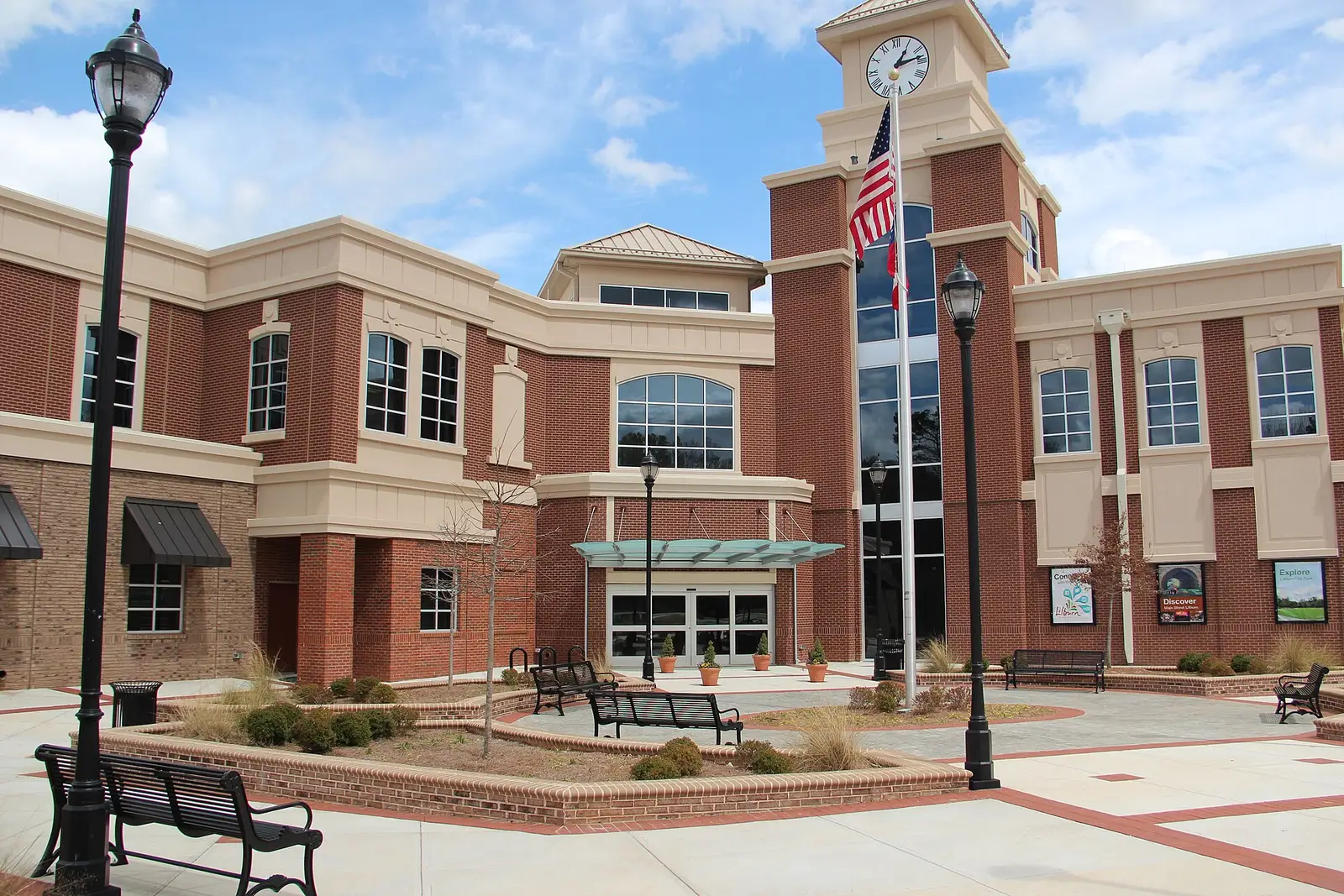
Lilburn is compact — under seven square miles at roughly 950 feet of elevation — but its associations vary more than the map suggests. The revitalized Old Town district around the realigned Main Street, where the city opened a new City Hall in 2016 alongside a Gwinnett County Public Library branch, anchors the historic core and a handful of newer attached-housing and mixed-use projects. Spreading south and east from there, the Parkview and Berkmar attendance areas hold much of the swim-and-tennis housing — communities like Cedar Creek and Hanarry and their neighbors — strung along Killian Hill Road, Arcado Road, and the corridors off Lawrenceville Highway; older subdivisions such as Rivermist sit in the adjoining Brookwood attendance area but follow the same template. The Yellow River winds along the city's southern edge, past the Yellow River Wildlife Sanctuary on US 78 and only a few minutes from Stone Mountain Park just to the south, and the low-lying, wooded, clay-heavy ground along these creeks and drainages is where retaining walls, slopes, and stormwater structures most often become the association's responsibility.
What Georgia Law and Your Lenders Expect
Georgia has no statute that orders homeowner or condominium associations to complete reserve studies — there is no state mandate to point to, and no filing that certifies you have one. What governs instead is a stack of other obligations. First are your own recorded documents: many Lilburn declarations, covenants, and bylaws require the association to maintain reserves or to fund replacement of common elements, and a board that disregards its own instrument invites owner challenges. Second is Georgia's statutory framework. Condominiums fall under the Georgia Condominium Act (O.C.G.A. Title 44, Chapter 3), and many planned communities have opted into the Georgia Property Owners' Association Act; neither statute forces a reserve study, but both leave directors with fiduciary duties of care and good faith, and a board that shrugs off foreseeable capital costs it can plainly see coming exposes itself to liability. Third — and increasingly decisive — is the lending market. FHA, Fannie Mae, and Freddie Mac condominium reviews have long looked for roughly ten percent of the annual budget going to reserves, or a recent reserve study in its place, and post-Surfside underwriting now scrutinizes deferred maintenance far more closely. Fannie Mae and Freddie Mac are also raising that reserve floor to fifteen percent of budgeted assessments for loan applications dated on or after January 4, 2027, which can make a defensible study the practical difference between financeable and unsellable units. For Lilburn's older, amenity-rich subdivisions and its newer attached-housing projects alike, those expectations are what actually drive reserve practice here.
Our Reserve Study Services in Lilburn
Full Reserve Study — A complete component inventory and on-site inspection with a 30-year funding plan, percent-funded analysis, and multiple funding scenarios, built for associations with no current study or an outdated one. Typical delivery: 3 to 4 weeks.
Reserve Study Update With Site Visit — A return inspection, recommended every three to five years, that re-measures condition, folds in completed projects and new components, and resets the funding plan. Typical delivery: 2 to 3 weeks.
Off-Site Annual Update — A remote refresh for the years between site visits that adjusts for inflation, spending, and reserve balances so the plan stays current without a full inspection. Typical delivery: 1 to 2 weeks.
Lilburn Communities We Serve
Our Lilburn service area covers associations across the city and its 30047 and 30048 ZIP codes, including the Old Town core and the swim-and-tennis subdivisions of the Parkview and Berkmar corridors — among them neighborhoods such as Cedar Creek and the Hanarry communities — along Killian Hill Road, Arcado Road, Camp Creek, and the Lawrenceville Highway corridor. We also serve Brookwood-cluster subdivisions such as Rivermist, along with associations in the adjacent unincorporated areas of Gwinnett County near Lilburn and in neighboring Snellville, Stone Mountain, Tucker, and Norcross. Naming a community here reflects the geography our service area covers, not an existing client relationship; wherever your association sits in and around Lilburn, we can perform the study on site.